
Grease Traps vs Septic Tanks: What Melbourne Property Owners Need to Know
If you own or manage a property in Melbourne, understanding how your wastewater system works is essential.
Grease traps and septic tanks are often confused but they serve very different functions. One manages fats and oils from commercial kitchens. The other treats full household wastewater systems.
Knowing the difference helps you:
- Stay compliant with Victorian regulations
- Avoid costly plumbing failures
- Protect groundwater and soil
- Schedule the correct maintenance
In short: septic tanks treat all wastewater, while grease traps capture fats and oils only. Both require servicing, but only septic tanks require scheduled septic tank pump outs to prevent system failure.
What Is a Septic Tank?
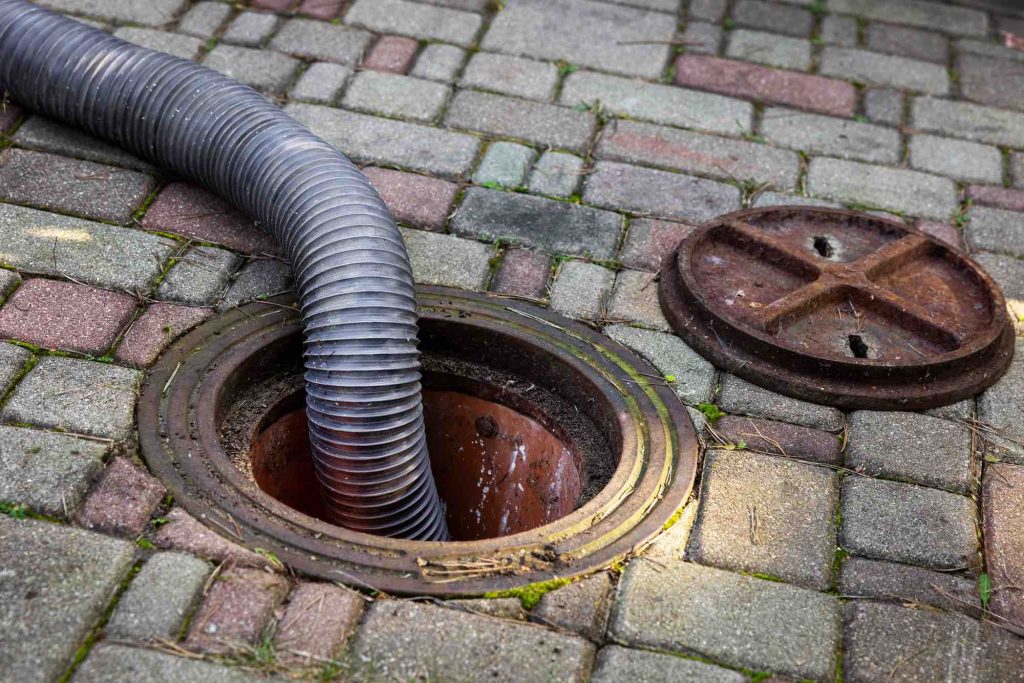
A septic tank is an underground wastewater treatment system used in properties not connected to Melbourne’s main sewer network.
They are common in:
- Semi-rural Melbourne areas
- Large residential blocks
- Industrial sites
- Properties outside reticulated sewer zones
- Toilets
- Showers
- Kitchen sinks
- Laundry systems
How a Septic Tank Works
- Heavy solids settle to form sludge
- Oils and lighter materials form a scum layer
- Liquid effluent flows into drainage trenches
Environmental Responsibility
Septic systems form part of Australia’s environmental protection framework. National waste management guidance is outlined by the Department of Climate Change, Energy, the Environment and Water. Routine maintenance protects both your property and surrounding groundwater.What Is a Grease Trap?
A grease trap is a device designed to intercept fats, oils and grease (FOG) before they enter sewer or wastewater systems. They are typically installed in:
- Restaurants
- Cafés
- Commercial kitchens
- Food production facilities
How Grease Traps Work
Grease traps:
- Separate fats, oils and grease from wastewater
- Prevent blockages in pipes
- Protect sewer infrastructure
However, grease traps:
- Do not treat full wastewater systems
- Do not separate heavy solids
- Do not replace septic systems
EPA Victoria provides regulatory guidance for waste and pollution management. Grease traps require frequent cleaning, often monthly, because grease solidifies quickly and causes blockages if neglected.
Sewer systems are designed to handle human waste, soaps, and other household byproducts. This ensures they don’t pollute local waterways. In areas without mains sewer (rural/edge suburbs), some properties still use septic tanks. Septic tank pump outs are required to maintain these onsite systems in compliance with EPA rules.
Septic Tanks vs Grease Traps: Key Differences
Here’s a simplified comparison:
Purpose
- Septic Tank: Treats full wastewater system
- Septic Tank: Homes, rural properties, industrial sites
- Grease Trap: Commercial kitchens
- Septic Tank: Solids + liquids
- Grease Trap: Grease only
- Septic Tank: Pump out every 2–3 years (average residential)
- Grease Trap: Cleaned frequently (monthly or as required)
- Septic Tank: Groundwater contamination, drainage failure
- Grease Trap: Sewer blockages
Why Septic Tank Pump Outs Are Critical in Melbourne
Melbourne’s soil conditions and seasonal rainfall patterns can affect septic system performance.
When tanks are not pumped out on schedule:
- Sludge levels rise
- Solids enter drainage trenches
- Soil absorption declines
- System failure becomes likely
- Household size
- Water usage
- Tank capacity
- Waste type
Can a Property Have Both Systems?
Yes.
Some commercial or semi-rural Melbourne properties operate:
- A septic tank for full wastewater treatment
- A grease management system for kitchen discharge
Warning Signs Your Septic Tank May Need Pumping
Watch for:
- Slow-draining sinks or toilets
- Gurgling plumbing sounds
- Sewage odours
- Pooling water near the tank
- Unusually green lawn patches
- More than 2–3 years since last service
Wastewater Compliance & Environmental Standards
Septic systems are part of Melbourne’s broader wastewater ecosystem.
Proper maintenance helps:
- Protect groundwater
- Reduce environmental contamination
- Maintain compliance with Victorian standards
- Support sustainable waste management
Related Wastewater Infrastructure Services
Properties relying on onsite wastewater systems may also require:
- Sewer Pits & Mains Cleaning
- Liquid Waste Removal
- Construction Waste Management
FAQs: Grease Traps vs Septic Tanks
What is the main difference between a grease trap and a septic tank?
A septic tank treats all household wastewater, while a grease trap captures only fats, oils and grease from commercial kitchens.Do most Melbourne homes have grease traps?
No. Most residential properties rely on septic tanks or municipal sewer connections. Grease traps are primarily used in food businesses.How often should a septic tank be pumped in Melbourne?
Most residential systems require pump outs every two to three years, depending on usage and tank capacity.Can grease damage a septic tank?
Yes. Excessive grease entering septic tanks increases sludge accumulation and reduces efficiency.Why is septic system maintenance important?
Regular maintenance prevents overflows, protects groundwater and extends system lifespan.Final Summary
Grease traps and septic tanks serve different roles in wastewater management.
For Melbourne property owners, understanding the difference ensures the right system receives the correct maintenance.
If your property relies on septic infrastructure, routine septic tank pump out services are essential for preventing failure and protecting the environment.
Who Are We?
E&J Septics is a locally owned business with over 50 years of hands-on experience in septic tank pump-outs and liquid waste management across Melbourne. We service residential, commercial, and industrial clients throughout the South Eastern Suburbs, Dandenong Ranges, and Mornington Peninsula.
Our team handles everything from standard 1,800-litre domestic septic tanks to large 25,000-litre commercial systems. We also manage stormwater and sewer pit cleaning, portable toilet cleaning and transportation, and bulk waste removal for construction projects and major events.
With a trusty fleet of 17 specialized vehicles, from high-capacity trucks to units designed for tight spaces, we’re ready to tackle any site, no matter the challenge. Need routine maintenance, a one-time cleanout, or ongoing support for a big project? Contact E&J Septics to provide you with fast, professional service you can count on.
Other Articles
Think Your Septic Tank Needs a Pump Out?
Reach out now for fast, reliable service and expert solutions for all your septic tank needs.