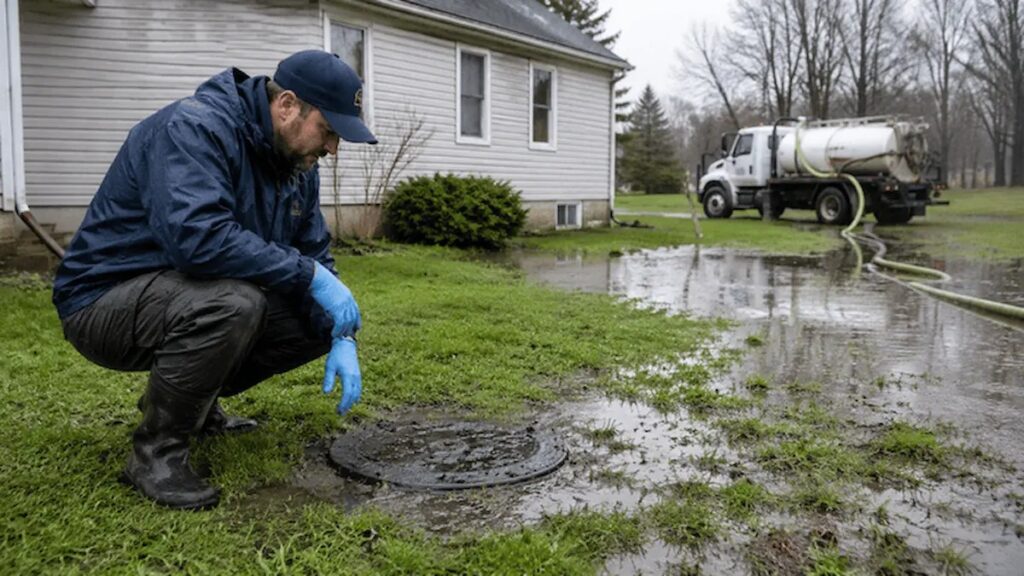
Heavy rainfall can put a surprising amount of pressure on your septic system. While a well-maintained septic tank is designed to handle normal household wastewater, excessive rain can saturate the surrounding soil and prevent the system from draining properly. The result can be slow drains, unpleasant odours, soggy patches around your property, or even a septic tank overflow.
Knowing what causes these issues, the warning signs to look out for, and when to arrange professional septic tank services can help prevent costly damage and protect your property.
Why Does Heavy Rain Affect Septic Tanks?
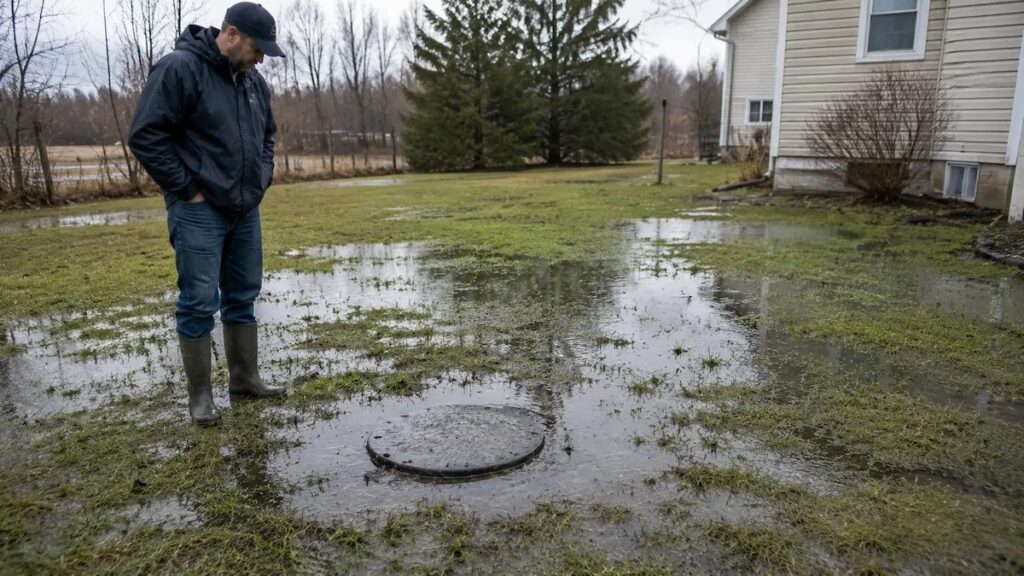
Your septic system relies on the surrounding soil to naturally filter and absorb treated wastewater. After prolonged or heavy rainfall, the ground can become waterlogged.
When this happens, the soil can no longer absorb wastewater efficiently, causing it to back up through the system.
Heavy rain can also:
- Raise the groundwater level around your septic tank.
- Slow the drainage from the absorption trenches.
- Allow stormwater to enter damaged or cracked septic components.
- Increase pressure inside an already full septic tank.
If your tank was already close to capacity before the rain arrived, the extra pressure can quickly lead to an overflow.
Common Signs Your Septic Tank May Be Overflowing
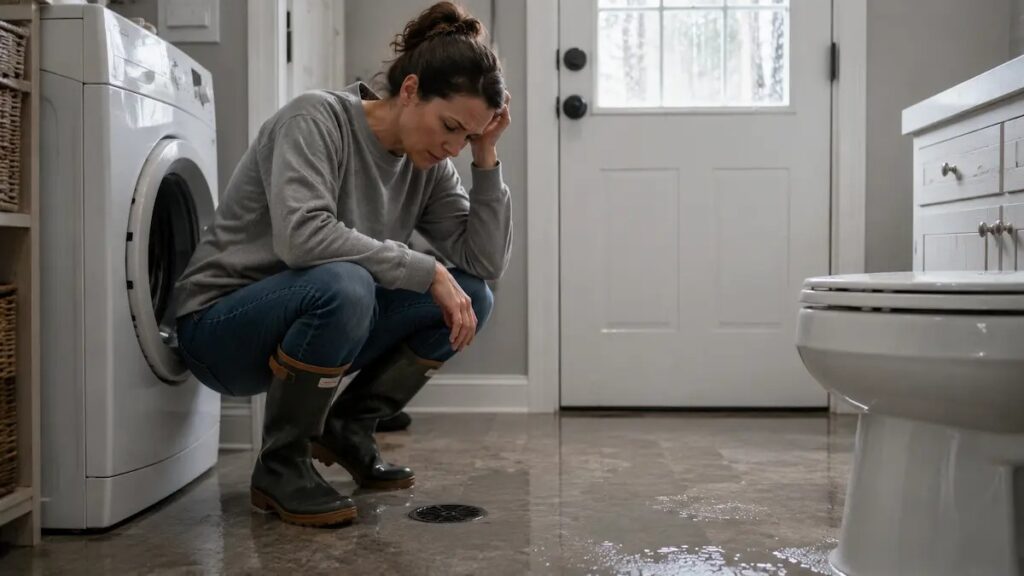
After periods of heavy rain, keep an eye out for these warning signs.
Slow Draining Sinks and Toilets
If multiple drains throughout your home suddenly become slow, it may indicate your septic system cannot discharge wastewater properly.
Gurgling Pipes
Unusual bubbling or gurgling noises from sinks, showers or toilets often indicate trapped air caused by restricted wastewater flow.
Unpleasant Odours
Persistent sewage smells around your yard or inside the home should never be ignored, particularly following significant rainfall.
Wet or Boggy Areas
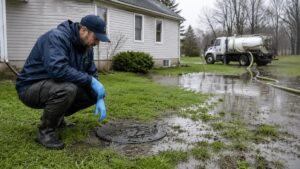
Puddles or unusually green, soggy patches near your septic tank or disposal area may indicate wastewater is reaching the surface.
Sewage Backing Up Indoors
This is one of the clearest signs your septic system requires immediate professional attention. Wastewater entering your home can pose serious health risks.
What Should You Do If Your Septic Tank Overflows?
If you suspect your septic system has overflowed, acting quickly can minimize further damage.
Reduce Water Usage
Avoid running washing machines, dishwashers or taking long showers. The less wastewater entering the system, the better.
Keep People and Pets Away
Overflowing wastewater may contain harmful bacteria and should be avoided until the area has been professionally assessed.
Check for Obvious Surface Water
If your yard is heavily flooded, it may simply take time for the surrounding soil to dry before the system can operate normally.
Contact a Septic Tank Professional
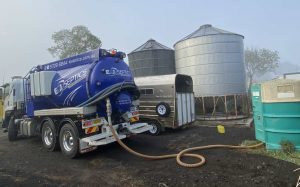
If problems continue after the rain has eased or sewage is backing up into your home, arrange a professional inspection as soon as possible. A septic tank pump out may be required if the tank is nearing capacity.
Will a Septic Tank Pump Out Fix the Problem?
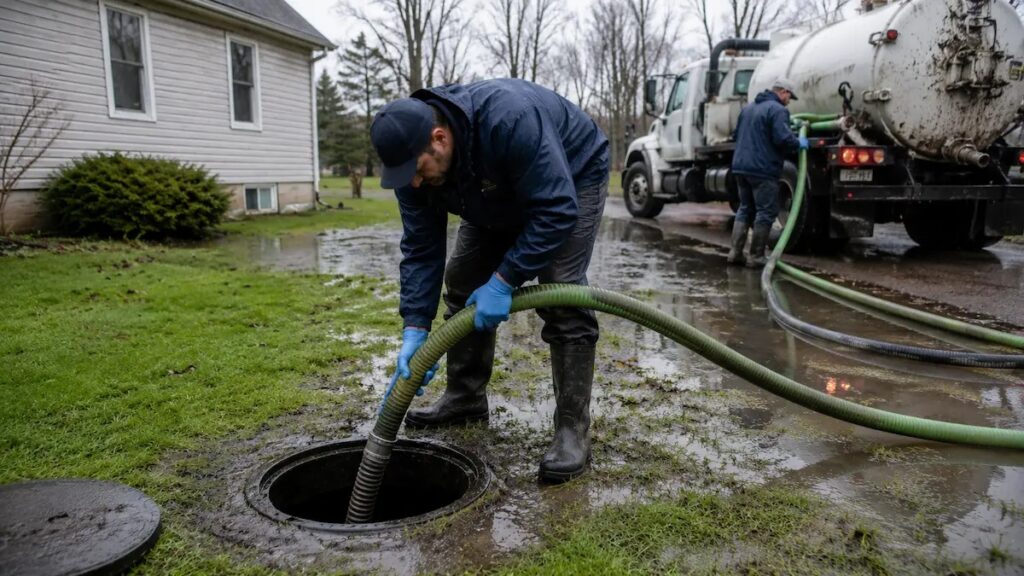
It depends on the cause.
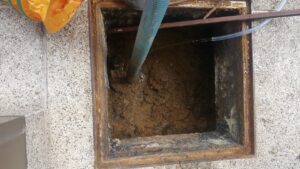
If the septic tank is full or overdue for maintenance, a professional pump out can restore available capacity and help prevent further overflows.
However, if the surrounding drainage field remains saturated, pumping the tank alone may only provide temporary relief until the ground dries.
A professional inspection can determine whether the issue is caused by:
- A full septic tank
- Blocked or damaged pipes
- Saturated absorption trenches
- Tree root intrusion
- Stormwater entering the system
- General maintenance issues
This ensures the underlying problem is correctly identified rather than simply treating the symptoms.
How to Reduce the Risk During Heavy Rain
While no septic system is completely immune to severe weather, regular maintenance can significantly reduce the risk of problems.
Helpful preventative measures include:
- Schedule regular septic tank pump outs based on household usage.
- Divert roof water and stormwater away from your septic system.
- Avoid driving or parking heavy vehicles over the septic area.
- Repair damaged lids, risers or pipework promptly.
- Spread out high water-use activities during wet weather.
- Have your system inspected if it is older or has experienced previous issues.
Routine servicing helps identify small problems before they become expensive emergencies.
When Should You Call a Professional?
You should arrange professional septic tank services if:
- Sewage is backing up into your home.
- Your drains remain slow after the rain has stopped.
- You notice persistent bad odours.
- Standing wastewater appears near the tank or disposal area.
- Your septic tank has not been pumped for several years.
- You’re unsure whether the problem is weather-related or a failing system.
Prompt attention can help prevent property damage, environmental contamination and more costly repairs.
Final Thoughts
Heavy rain doesn’t always cause a septic tank overflow, but it can expose existing maintenance issues or place additional stress on an already full system. Recognising the warning signs early and arranging professional assistance when needed can help protect both your home and your septic system.
If you’ve experienced drainage problems after heavy rain or think your septic tank may need attention, booking a professional inspection and pump out is the safest way to restore your system and avoid further complications.