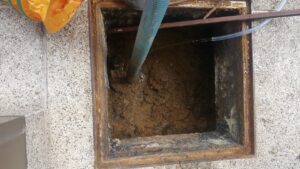
Few household problems are as stressful as a septic tank backup. One minute everything seems normal, and the next you’re dealing with foul smells, slow drains, or even sewage backing up into your home or yard.
If your septic tank is backing up, acting quickly can help minimise damage, reduce health risks, and prevent a much bigger repair bill. In this guide, we’ll explain what causes septic tank emergencies, what to do immediately, and how to prevent future backups.
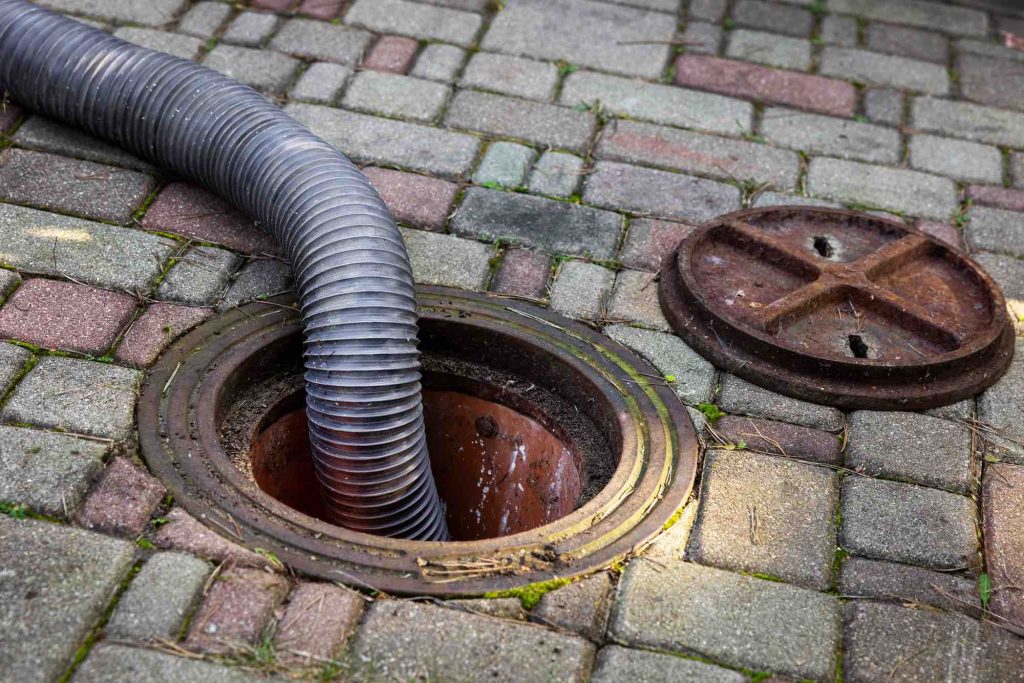
What Is a Septic Tank Backup?
A septic tank backup occurs when wastewater can no longer flow properly through your septic system. Instead of moving through the tank and drainage field as intended, sewage may back up into sinks, toilets, showers, or outdoor overflow points.
A backup is often a sign that something in the system isn’t functioning correctly and should be investigated by a qualified septic tank cleaner professional as soon as possible.
What To Do Immediately During a Septic Tank Emergency
If you suspect your septic system is backing up, follow these steps immediately:
Stop using water throughout the property.
- Keep children and pets away from affected areas.
- Ventilate any indoor spaces where sewage is present.
- Avoid attempting DIY repairs.
- Contact a septic tank professional.
- Watch for electrical hazards.
- Clean affected areas safely after repairs are completed.
Taking these steps can help reduce damage and protect your family’s health.
Stop Using Water Immediately
The first thing you should do is stop using water throughout the property.
Avoid:
- Flushing toilets
- Running taps
- Using the dishwasher
- Running washing machines
- Taking showers
Every litre of water entering the system adds pressure to an already overloaded septic tank and can worsen the backup.
Keep People and Pets Away
Raw sewage contains harmful bacteria, viruses, and other contaminants that can pose serious health risks.
If sewage has surfaced in your yard or entered your home:
- Keep children away from the affected area
- Prevent pets from accessing contaminated ground
- Avoid direct contact with wastewater
- Wear protective equipment if you must enter the area
Safety should always be your top priority during a septic emergency.
Don’t Attempt DIY Repairs
While it may be tempting to investigate the problem yourself, septic systems are complex and potentially dangerous.
Common risks include:
- Exposure to harmful bacteria
- Toxic septic gases
- Electrical hazards
- Further damage to the system
Attempting repairs without the proper equipment can often make the problem worse and lead to more expensive repairs later.
Ventilate the Area
If sewage has backed up inside your home, improve airflow by opening windows and doors.
Ventilation can help:
- Reduce unpleasant odours
- Improve indoor air quality
- Minimise the buildup of potentially harmful gases
Avoid using portable fans in contaminated areas, as they may spread airborne contaminants throughout the home.
Call a Septic Tank Professional
A professional septic technician can quickly identify the cause of the backup and recommend the most effective solution.
Common causes include:
- A full septic tank
- Blocked pipes
- Tree root intrusion
- Damaged baffles
- Drain field issues
- System overload
The sooner the issue is inspected, the lower the risk of further damage to your property.
Watch for Electrical Hazards
If wastewater has reached electrical outlets, appliances, power boards, or wiring, treat the situation as a serious safety hazard.
Do not:
- Touch wet electrical equipment
- Use affected appliances
- Enter flooded areas where electrical equipment is present
If it is safe to do so, switch off power at the mains and contact a licensed electrician.
Clean Up Safely After Repairs
Once the septic issue has been resolved, thoroughly clean and disinfect all affected areas.
Recommended protective equipment includes:
- Waterproof gloves
- Rubber boots
- Protective eyewear
- Face masks
Any porous materials heavily contaminated by sewage may need to be discarded.
Always wash your hands thoroughly after handling contaminated items.
What Causes Septic Tank Backups?
Understanding the cause of a backup can help prevent future emergencies.
Some of the most common causes include:
Lack of Regular Pumping
Over time, sludge accumulates inside the septic tank. Without regular pump-outs, the tank can become overloaded and eventually back up.
Flushing the Wrong Items
Items such as:
- Wet wipes
- Paper towels
- Sanitary products
- Grease and fats
can create blockages and interfere with normal system operation.
Tree Root Intrusion
Tree roots naturally seek moisture and can infiltrate septic pipes, causing blockages or structural damage.
Excessive Water Usage
Large volumes of water entering the system in a short period can overwhelm both the tank and drain field.
Drain Field Problems
If the drain field becomes saturated or damaged, wastewater may not disperse correctly, leading to backups.
Warning Signs Your Septic Tank May Be About To Back Up
Many septic emergencies provide warning signs before a major failure occurs.
Watch for:
- Slow-draining sinks and showers
- Gurgling sounds in pipes
- Sewage odours around the property
- Wet patches near the septic system
- Toilets draining slowly
- Unusually lush grass over the drain field
If you notice any of these signs, arrange an inspection before the problem escalates.
How To Prevent Future Septic Emergencies
Prevention is almost always cheaper than emergency repairs.
To keep your system functioning properly:
- Schedule regular septic tank pump-outs
- Arrange routine inspections
- Avoid flushing unsuitable materials
- Repair leaking fixtures promptly
- Spread out water-intensive household activities
- Monitor for early warning signs
A proactive maintenance plan can significantly reduce the likelihood of unexpected backups.
Frequently Asked Questions
Why is my septic tank backing up?
Can I still use water if my septic tank is backing up?
Is sewage from a septic backup dangerous?
How quickly should a septic backup be repaired?
Can regular maintenance prevent septic emergencies?
In many cases, yes. Routine inspections and pump-outs are among the most effective ways to prevent septic system failures.
Need Emergency Septic Tank Assistance?
A septic tank backup can quickly become a serious problem if left unresolved. If you’re experiencing slow drains, sewage odours, or wastewater backing up into your home, it’s important to act quickly.
Our experienced team provides professional septic tank cleaning, pumping, maintenance, and emergency response services. We’ll identify the cause of the issue and help get your system operating properly again.
Contact us today for fast, professional septic tank assistance.