Liquid waste is something every business and household produces but managing it properly is far more important than most people realise.
From wastewater and grease to hazardous chemicals, poor liquid waste handling can lead to:
- Environmental damage
- Health risks
- Expensive repairs
- Legal penalties
This is where liquid waste management becomes essential.
In this guide, you’ll learn exactly what liquid waste management is, how it works, why it matters, and when you need professional waste management services.
If your business generates liquid waste, understanding this process is critical to staying compliant and avoiding costly issues.
What Is Liquid Waste Management
Liquid waste management is the process of collecting, transporting, treating, and safely disposing of liquid waste to prevent harm to people, infrastructure, and the environment.
Liquid waste includes any material in liquid form that cannot be safely discharged into drains or natural systems without treatment.
This can include:
- Wastewater
- Oils and grease
- Chemicals and solvents
- Sewage and septic waste
Proper liquid waste disposal ensures harmful substances are either:
- Removed
- Treated
- Contained
- Or safely reused
For businesses, this is not optional but it’s a legal and operational requirement.
Why Liquid Waste Management Is Important
Protects the Environment
Untreated liquid waste can contaminate:
- Rivers and waterways
- Groundwater
- Soil and ecosystems
Even small amounts of waste can have long-term environmental impact if not handled correctly.
Untreated waste can pollute rivers, groundwater, and ecosystems. According to the liquid waste disposal guidelines by the EPA, proper treatment is essential to prevent environmental damage.
Safeguards Public Health
Liquid waste can carry:
- Bacteria
- Toxins
- Hazardous chemicals
Improper disposal increases the risk of disease, contamination, and unsafe working conditions.
Ensures Legal Compliance
Most industries are required to follow strict waste disposal regulations.
Failure to comply can result in:
- Fines
- Business shutdowns
- Legal liability
Businesses must follow strict regulations. Government standards for waste management services complianceoutline how waste must be handled and disposed of safely.
Prevents Costly Operational Issues
Without regular waste management:
- Systems clog or overflow
- Equipment fails
- Emergency callouts increase
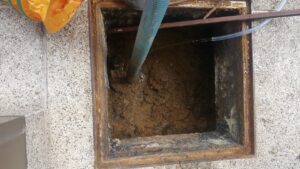
For example, restaurants often require regular grease trap cleaning to avoid blockages and compliance issues.
Types of Liquid Waste
Understanding the type of liquid waste you produce is key to choosing the correct disposal method.
Industrial Liquid Waste
Generated by factories and industrial processes, including:
- Chemicals
- Oils
- Solvents
- Contaminated water
These typically require specialised treatment and strict handling.
Commercial Liquid Waste
Common in businesses such as:
- Restaurants
- Car washes
- Workshops
Includes grease, wash water, and wastewater.
Businesses dealing with fats and oils should use grease trap cleaning services to prevent system failures.
Household Liquid Waste
Includes:
- Wastewater from sinks, showers, and toilets
- Washing machine discharge
- Septic tank waste
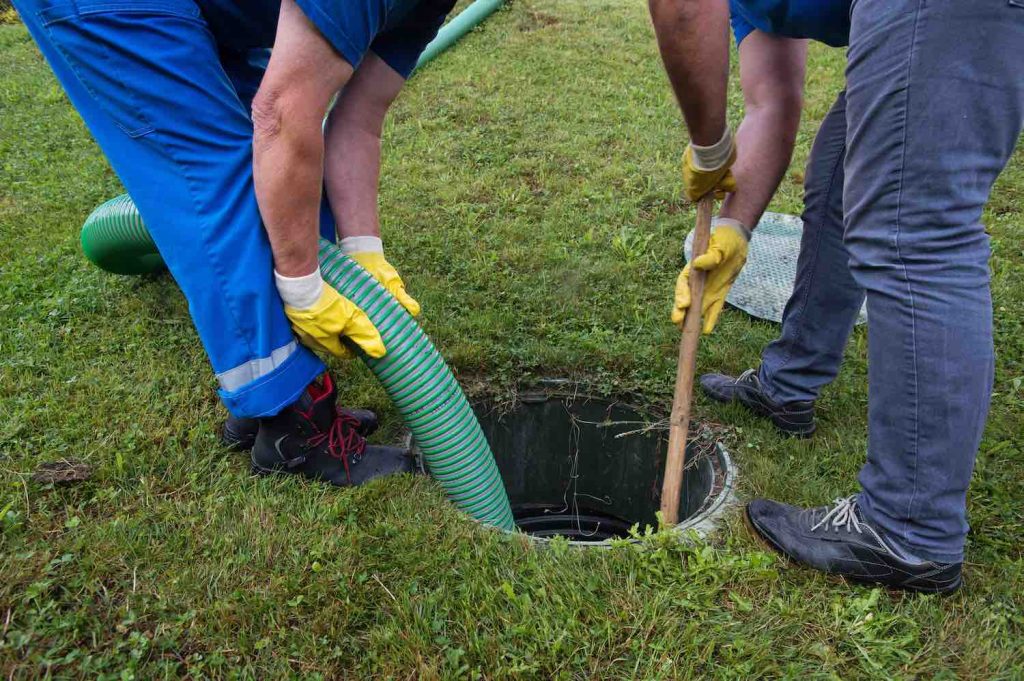
Regular septic tank cleaning and maintenance helps prevent overflow and long-term damage.
Hazardous Liquid Waste
Highly dangerous materials such as:
- Chemicals
- Pesticides
- Medical waste
These require strict handling, transport, and disposal procedures.
How Liquid Waste Management Works
Professional waste management services follow a structured process to ensure safe handling.
1. Collection
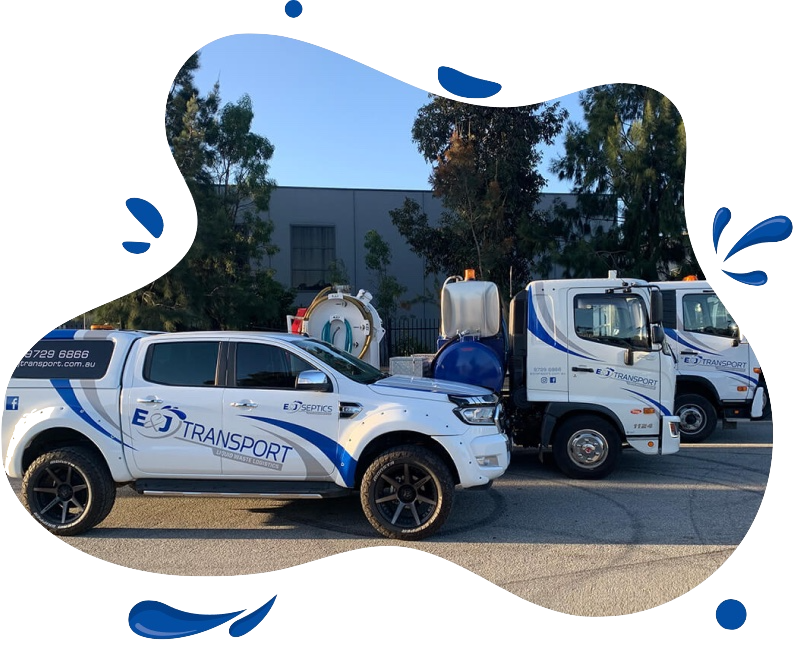
Waste is collected using specialised equipment such as:
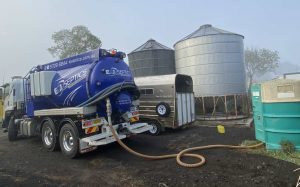
- Vacuum trucks
- Tankers
- Pumping systems
2. Transportation
Waste is transported to licensed treatment facilities in compliance with environmental regulations.
3. Treatment
Treatment depends on the waste type and may include:
- Filtration
- Chemical neutralisation
- Biological treatment
- Oil-water separation
This step removes harmful substances and prepares waste for safe disposal.
4. Disposal or Reuse
Once treated, waste is either:
- Safely disposed of
- Recycled or reused where possible
Many industries now adopt sustainable waste management practices to reduce environmental impact.
Common Liquid Waste Disposal Methods
Different types of liquid waste require different disposal strategies.
Wastewater Treatment
Removes contaminants before water is released back into the environment. Treated waste is safely disposed of or reused where possible. Many industries now adopt sustainable liquid waste management practices to reduce environmental impact.
Deep Well Injection
Used for hazardous waste, injected deep underground to prevent contamination.
Recycling and Reuse
Some treated liquid waste can be reused in industrial processes.
Solidification
Liquid waste is converted into solid form for safer transport and disposal.
Who Needs Liquid Waste Management Services?
Many businesses underestimate their need for proper waste management.
You likely need professional services if you:
- Run a restaurant or commercial kitchen
- Operate a manufacturing or industrial facility
- Manage a septic system
- Own a car wash or workshop
- Handle hazardous materials
If your business produces any form of liquid waste, professional management is essential for compliance and efficiency.
Choosing the Right Waste Management Provider
Not all providers offer the same level of service.
When choosing a provider, look for:
- Experience with your specific waste type
- Reliable service schedules
- Safe transport and disposal processes
- Clear documentation and reporting
A strong provider doesn’t just remove waste but they also help optimise your entire waste system.
Best Practices for Liquid Waste Management
To avoid issues and improve efficiency, follow these best practices:
- Schedule regular waste collection
- Use proper containment systems
- Train staff on safe handling procedures
- Work only with licensed providers
- Maintain accurate disposal records
Combining these with professional services ensures long-term compliance and performance.
FAQs About Liquid Waste Management
What is liquid waste management in simple terms?
Liquid waste management is the process of safely collecting, treating, and disposing of liquid waste to prevent harm to people and the environment.
What are common examples of liquid waste?
Examples include wastewater, grease, oils, sewage, chemicals, and industrial liquids.
How do businesses dispose of liquid waste?
Businesses use licensed waste management services that collect, transport, treat, and safely dispose of waste according to regulations.
Is liquid waste harmful to the environment?
Yes. Untreated liquid waste can contaminate water, soil, and ecosystems, making proper disposal essential.
How often should liquid waste be removed?
It depends on usage. High-volume businesses may require weekly servicing, while others may need monthly or scheduled maintenance.
What happens if liquid waste is not managed properly?
Poor management can lead to environmental damage, health risks, system failures, and legal penalties.
Final Thoughts
Liquid waste management is more than just disposal but it’s about protecting your business, your community, and the environment.
Whether you’re dealing with wastewater, grease, or hazardous materials, proper management ensures:
- Compliance with regulations
- Operational efficiency
- Reduced risk and costs
- Long-term sustainability
Need Reliable Liquid Waste Management?
If your business generates liquid waste, working with professionals is the safest and most efficient solution.
Get in touch today to explore tailored liquid waste management services that keep your operations compliant, efficient, and environmentally responsible.