If your sinks are draining slowly, you smell foul odours, or notice soggy patches around your yard, your septic system is warning you it’s time for a septic tank pump out. Regular maintenance every 3–5 years prevents costly repairs, bad smells, and groundwater contamination. Watch for gurgling drains, greener grass above the tank, standing water, and sewage backups and book a licensed septic professional before the problem worsens.
Below are seven clear indicators that it’s time to schedule a septic tank service, before things get messy.
What are the early warning signs of a failing septic system?
When your septic tank is nearly full or the system isn’t draining properly, it will start to show signs around your home. Slow drainage, foul odours, or unusually wet patches in your yard often mean your septic tank needs pumping. Let’s take a look at the key symptoms to watch out for.
1. Slow-draining sinks, showers or toilets
If your sinks or showers are taking longer than usual to empty, or your toilet struggles to flush, it’s a strong sign that your septic system is nearing capacity.
When only one drain is slow, it could just be a local blockage. But when several fixtures are affected at once, it’s often the septic tank or drain field causing the issue. Scheduling a septic tank pump out will restore proper flow and prevent a full backup.

2. Gurgling sounds from pipes or drains
Hearing gurgling noises when you flush or run water is not normal. These sounds usually mean air is trapped in the pipes because your tank or soakage area is struggling to cope.
Gurgling is a red flag that your wastewater isn’t moving as it should. A professional inspection and septic tank cleaning can quickly identify whether the tank needs to be emptied or the drain field needs attention.
3. Unpleasant odours around your home or backyard
A healthy septic system shouldn’t smell. If you start noticing foul odours near your drains, outside around the tank area, or even through your yard, your system is probably overloaded or leaking.
These smells come from gases escaping through vents or cracks and often indicate that sludge has built up too high inside the tank. A prompt septic tank service will remove the waste and restore proper treatment before the problem worsens.
4. Greener or soggy patches above the drain field
Noticed bright green grass or wet spots near your septic tank or drain field? That’s another giveaway that your tank might be overflowing.
The extra moisture and nutrients from wastewater cause the grass above the drain field to grow faster and look greener than the rest of your lawn. While it might seem harmless, it’s actually a sign of an imbalance that needs a septic system maintenance check.
5. Standing water or puddles near the tank
Pooling water in your yard, especially near the septic tank lid or soakage trenches, is a serious concern. If you see standing water after only a small amount of rain, your system could be backing up or leaking.
When wastewater can’t drain properly, it begins to rise to the surface, a potential health risk and an environmental hazard. Don’t delay calling a professional for a septic tank pump out and system inspection.
6. It’s been more than 3–5 years since your last pump out
Even if you haven’t noticed any obvious issues, regular septic tank pump outs are still necessary. Most Australian households should have their tanks pumped every three to five years, depending on household size, water usage, and tank capacity.
If you can’t remember the last time it was done, it’s time to book one. Preventative septic system maintenance is far cheaper than fixing a failed system later on.
7. Sewage backing up into toilets or drains
If you’ve reached the point where sewage is backing up into your toilets, sinks, or shower drains, your system has already reached critical levels. This situation poses a major health risk and requires urgent professional attention.
A septic tank cleaning and pump out will remove the buildup, but if you wait too long, you may also need repairs to your drain field or pipework.
Why are regular septic tank pump outs important?
Neglecting your septic system can cause severe damage over time. Without regular pump outs, solids accumulate, reducing the tank’s capacity and clogging the outlet pipes. Eventually, wastewater can overflow into your yard or contaminate groundwater.
Timely septic tank pump outs:
- Prevent blockages and costly plumbing repairs
- Extend the lifespan of your septic system
- Protect your property and the environment
- Keep your home free from bad odours and health risks
In most cases, a quick visit from a licensed professional every few years is all it takes to avoid serious damage.
How do I prepare for a septic tank pump out?
If it’s been a while since your last service, here’s how to make the process smooth and efficient:
- Locate your tank – Know where your septic tank lids or risers are and clear the area of plants or obstacles.
- Schedule a professional inspection – Choose an experienced local provider who offers both pump outs and system checks.
- Ask for a condition report – After the pump out, ask for a summary of the tank’s condition and when the next service should be scheduled.
- Keep records – Maintain a simple log of pump outs, inspections, and any repairs for easy reference.
This small effort helps ensure your septic tank service runs efficiently and keeps your home safe.
Frequently Asked Questions
1. How often should a septic tank be pumped out in Australia?
Most households should have their septic tank pumped out every three to five years. However, larger families or homes with heavy water use might need more frequent services. Your local septic professional can recommend a suitable schedule based on your tank size and soil conditions.
2. What happens during a septic tank pump out?
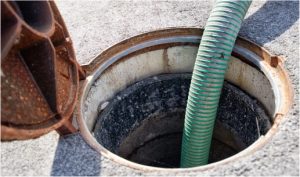
A licensed technician will locate and open the tank, remove all sludge and scum using a vacuum truck, and check for any damage or leaks. They’ll also assess sludge levels and confirm when your next septic tank service should be booked.
3. Can I do a septic tank pump out myself?
No. Septic pump outs must be done by a licensed waste removal professional. The process involves handling hazardous materials and requires proper disposal at an authorised treatment facility. DIY attempts can be dangerous and illegal in many councils.
4. How can I prevent my septic tank from filling too quickly?
Spread out water use, fix leaking taps or toilets, and avoid flushing wipes, grease, or chemicals. Regular septic system maintenance, including inspections and pump outs, is the best way to prevent overflow or damage.
5. What’s the difference between a septic tank pump out and cleaning?
A pump out removes the liquid and solid waste from the tank, while a cleaning involves thoroughly washing and removing all remaining residue to restore the tank’s full working capacity. Many professionals include both as part of a complete septic tank service.
Final thoughts
If you’re noticing slow drains, unpleasant odours, soggy patches, or gurgling sounds, your septic system is sending a clear message: it’s time for a septic tank pump out.
Taking action early saves money, protects your home, and keeps your system running smoothly for years to come. Don’t wait for an emergency, schedule your septic tank service today with a trusted local professional