

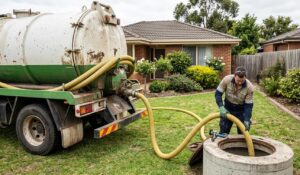
Most septic tanks in Melbourne should be pumped out every 3–5 years, depending on household size, tank capacity, and daily water usage. Regular septic tank pump outs prevent sludge buildup, reduce the risk of system failure, and help protect groundwater and surrounding soil.
If your home relies on a septic system rather than a mains sewer connection, routine septic tank pumping in Melbourne is essential. Ignoring regular servicing can lead to slow drains, unpleasant odours, and even wastewater backing up inside your home.
In this guide, we explain:
- How often septic tanks should be pumped
- What factors affect pumping frequency
- Warning signs your septic tank needs servicing
- How professional septic tank pumping works
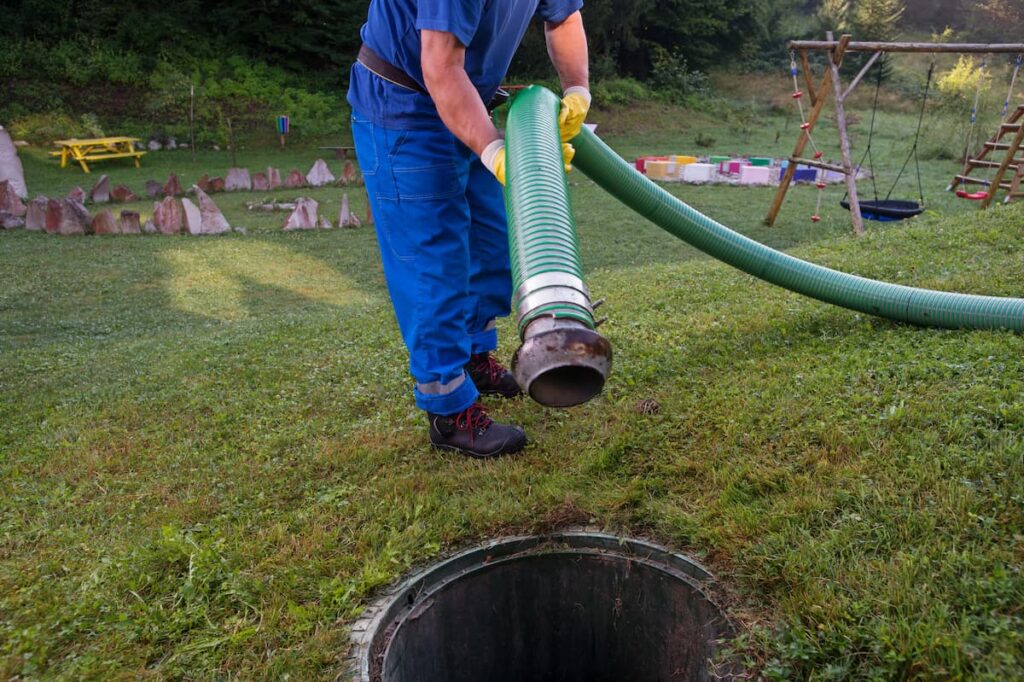
Quick Answer: How Often Should Septic Tanks Be Pumped?
Most septic tanks need pumping every 3–5 years. However, the exact timeframe depends on:
- The number of people living in the household
- The size of the septic tank
- Daily water usage
- The type of waste entering the system
Larger households or smaller tanks may require septic tank pumping every 2–3 years.
Regular septic tank pump outs help prevent expensive system failures and ensure your wastewater treatment system continues working efficiently.
Why Septic Tank Pump Outs Are Important
A septic tank separates wastewater into three main layers:
- Scum layer – oils and grease that float to the top
- Liquid layer – partially treated wastewater
- Sludge layer – solid waste that settles at the bottom
Over time, the sludge layer gradually builds up. If it becomes too thick, solids can overflow into the drain field and block the system.
According to wastewater guidelines published by the Victorian Government’s septic tank resources, regular servicing is essential to protect groundwater and surrounding soil quality.
Regular septic tank pumping removes this accumulated waste before it causes damage.
Routine septic tank pump outs help:
- Prevent sewage blockages and backups
- Extend the lifespan of the septic system
- Protect the drain field from contamination
- Maintain safe wastewater treatment
- Avoid costly emergency repairs
If you want to avoid system failures, scheduling professional septic tank pump out services every few years is the most reliable way to keep your system operating properly.
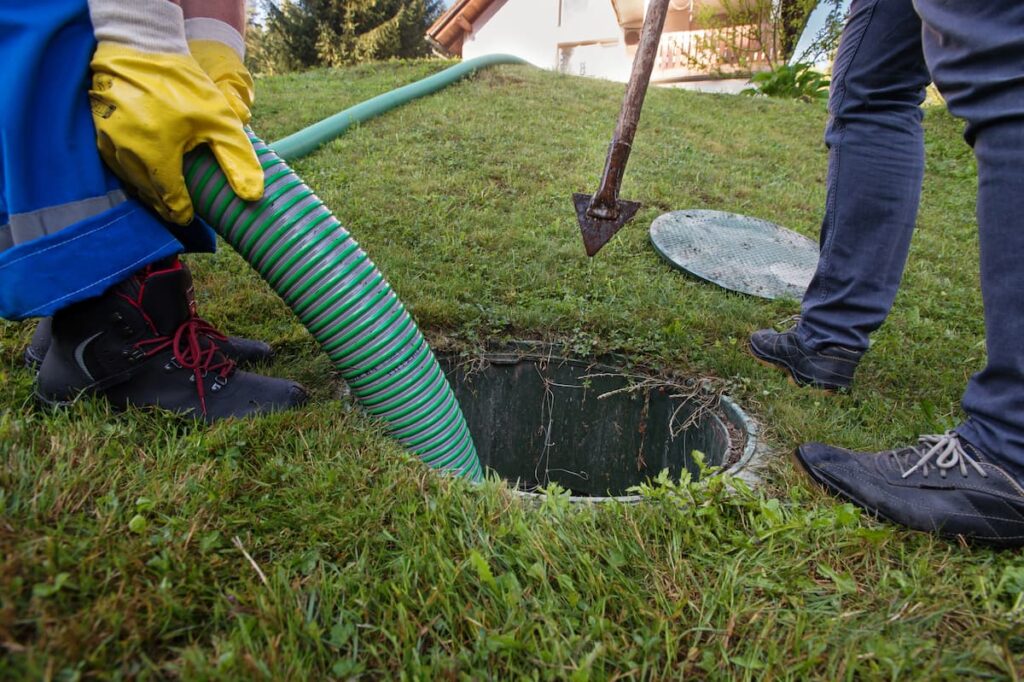
How Often Should a Septic Tank Be Pumped?
While the typical timeframe is 3–5 years, several factors can affect how frequently septic tanks require servicing.
Household Size
The number of people living in the home has the biggest impact on wastewater production.
Typical pumping intervals include:
- 1–2 people: every 4–5 years
- 3–4 people: every 3–4 years
- 5+ people: every 2–3 years
Larger households produce more wastewater, which causes sludge to accumulate faster.
Septic Tank Size
Larger septic tanks can hold more waste before they need to be pumped. If your property has a smaller tank, it may require septic tank cleaning in Melbourne more frequently.
Water Usage
High water usage can fill a septic tank faster and reduce the time between pump outs.
Common causes of heavy water usage include:
- Running multiple laundry loads per day
- Long showers or large households
- Frequent dishwasher use
- Water-intensive appliances
Spreading water use throughout the day can help reduce pressure on the system.
Waste Materials Entering the Tank
Some materials break down slowly or not at all, causing sludge to accumulate faster.
Avoid flushing or washing the following items into your septic system:
- Cooking oils and grease
- Paper towels
- Wet wipes
- Sanitary products
- Harsh cleaning chemicals
The Australian Government’s water management resources also recommend avoiding harsh chemicals that can disrupt the beneficial bacteria responsible for breaking down waste.
Signs Your Septic Tank Needs Pumping
Even if you follow a recommended servicing schedule, problems can still develop. Recognising early warning signs can prevent serious septic system damage.
Slow Draining Fixtures
If sinks, showers, or toilets begin draining slowly, your septic tank may be reaching capacity.
Sewage Odours Around Your Property
A strong sewage smell near drains, the septic tank, or the yard often indicates the tank is full or the system is not processing waste properly.
Pooling Water Near the Drain Field
Soggy ground or standing water around the drain field may indicate wastewater is not draining correctly.
Gurgling Sounds in Pipes
Strange gurgling noises inside plumbing pipes can occur when air becomes trapped due to a full septic tank.
Lush Grass Over the Drain Field
Grass growing unusually green or quickly above the drain field can indicate excess wastewater leaking into the soil.
Wastewater Backup in the Home
If sewage begins backing up into your home, you may need emergency septic tank pumping immediately.
How a Septic Tank System Works
A typical septic wastewater system includes three main components:
Septic tank
Where wastewater enters and separates into sludge, liquid, and scum layers.
Drain field (leach field)
A network of pipes that distributes treated wastewater into the surrounding soil.
Soil filtration system
The soil naturally filters harmful bacteria and contaminants before water returns to the environment.
Over time, sludge builds up in the tank and must be removed through regular septic tank pump outs to prevent system damage.
What Happens During a Septic Tank Pump Out?
Professional septic contractors use specialised vacuum trucks to remove sludge and waste from the septic tank.
The process typically includes:
- Locating and opening the septic tank access lid
- Measuring sludge and scum levels
- Pumping out accumulated waste with vacuum equipment
- Inspecting the tank for structural damage or blockages
- Transporting and disposing of waste according to environmental regulations
During the inspection, technicians may also identify potential issues requiring repairs or additional septic system maintenance.
Tips for Better Septic Tank Maintenance
While pump outs are essential, simple household habits can help your septic system operate more efficiently between services.
Spread Out Water Usage
Avoid running several water-heavy appliances at the same time.
Dispose of Grease Properly
Never pour cooking oils or fats down the sink. Grease can solidify inside the tank and cause blockages.
Use Septic-Safe Cleaning Products
Harsh chemicals can kill the bacteria responsible for breaking down waste inside the tank.
Schedule Regular Inspections
Even if the tank does not yet require pumping, periodic inspections help detect problems early.
Keep Maintenance Records
Recording the date of your last septic tank pump out helps ensure you follow the correct servicing schedule.
Melbourne Septic System Regulations
Many properties across Melbourne’s outer suburbs and rural areas rely on septic wastewater systems instead of municipal sewer connections.
Local councils and the Victorian EPA recommend regular septic tank inspections and pump outs to ensure wastewater is treated safely and does not contaminate groundwater or surrounding soil.
Routine maintenance helps property owners remain compliant with environmental regulations and reduces the risk of costly septic system failures.
Need Septic Tank Pump Out Services in Melbourne?
If your septic tank hasn’t been serviced in several years, arranging a professional inspection can help prevent expensive system damage.
Our licensed technicians provide reliable septic tank pump out services across Melbourne, including rural and outer suburban areas that rely on septic wastewater systems.
Services include:
- Septic tank pump outs
- Septic tank inspections
- Emergency septic system servicing
- Wastewater treatment system maintenance
Request a septic tank pump out quote today or book a professional inspection.
Other Articles



Think Your Septic Tank Needs a Pump Out?
Reach out now for fast, reliable service and expert solutions for all your septic tank needs.
How often should a septic tank be pumped in Melbourne?
Most septic tanks require pumping every three to five years, depending on household size, water usage, and tank capacity.
What are the signs that a septic tank is full?
Common signs include:
- Slow draining sinks and toilets
- Sewage smells around your property
- Gurgling sounds in plumbing pipes
- Water pooling near the drain field
How much does septic tank pumping cost in Melbourne?
Costs vary depending on:
- Tank size
- Accessibility
- Location
- Service provider
However, routine pump outs are far more affordable than repairing a failed septic system.
Can you pump a septic tank yourself?
No. Septic tank pumping requires specialised vacuum equipment and proper waste disposal procedures. For safety and environmental reasons, pump outs should always be handled by licensed professionals.
What causes septic systems to fail?
The most common causes include:
- Infrequent septic tank pump outs
- Excessive water usage
- Flushing non-biodegradable items
- Poor septic tank maintenance