Key Takeaways
- Construction waste begins accumulating from the first day on site
- Sorting waste early improves recycling rates and reduces disposal costs
- Different materials require different handling and disposal methods
- Responsible waste management supports safety, compliance, and sustainability
- Proper planning prevents delays, fines, and environmental harm
Construction projects generate waste at every stage, from initial demolition to final cleanup. Understanding how construction waste flows through a job site and where it ultimately ends up is essential for contractors, project managers, and property owners alike.
Managing construction waste responsibly is not only about compliance. It affects job site efficiency, worker safety, project timelines, and environmental impact.
How Construction Waste Is Generated on Site
Construction waste begins accumulating as soon as a project starts. Even before active building begins, materials such as packaging, pallets, and debris from site preparation contribute to the waste stream.
Common sources of construction waste include:
- Demolition and renovation debris
- Material offcuts from framing and finishing
- Damaged or unused materials
- Packaging from supplies and equipment
- Soil, concrete, and masonry waste
Each phase of construction introduces different types of waste, which is why a one-size-fits-all disposal approach rarely works.
Understanding the Flow of Waste Through a Construction Site
Waste on a construction site typically follows a predictable flow. Materials are generated during work activities, temporarily stored, sorted if a system is in place, and then removed for disposal or recycling.
Without a structured process, waste piles can grow quickly, creating safety hazards and inefficiencies. Poorly managed waste often leads to contamination, where recyclable materials are mixed with trash and become unusable.
Effective sites plan waste movement just as carefully as material delivery.
Sorting Construction Waste at the Source
One of the most effective ways to manage construction waste is sorting materials directly on site. When waste is separated early, recycling becomes easier and disposal costs often decrease.
Typical sorting categories include:
- Wood and lumber
- Concrete and masonry
- Metals
- Cardboard and packaging
- Mixed debris
Designating labelled containers or zones for each material helps workers make quick decisions without slowing productivity.
Temporary Storage and Containment
Once sorted, construction waste needs secure containment. Dumpsters, roll-off bins, and designated stockpiles keep debris organised and prevent materials from spreading across the site.
Proper containment:
- Reduces trip hazards
- Prevents windblown debris
- Improves site cleanliness
- Simplifies pickup and transport
Choosing the right container size and placement plays a major role in maintaining workflow efficiency.
Transportation to Recycling or Disposal Facilities
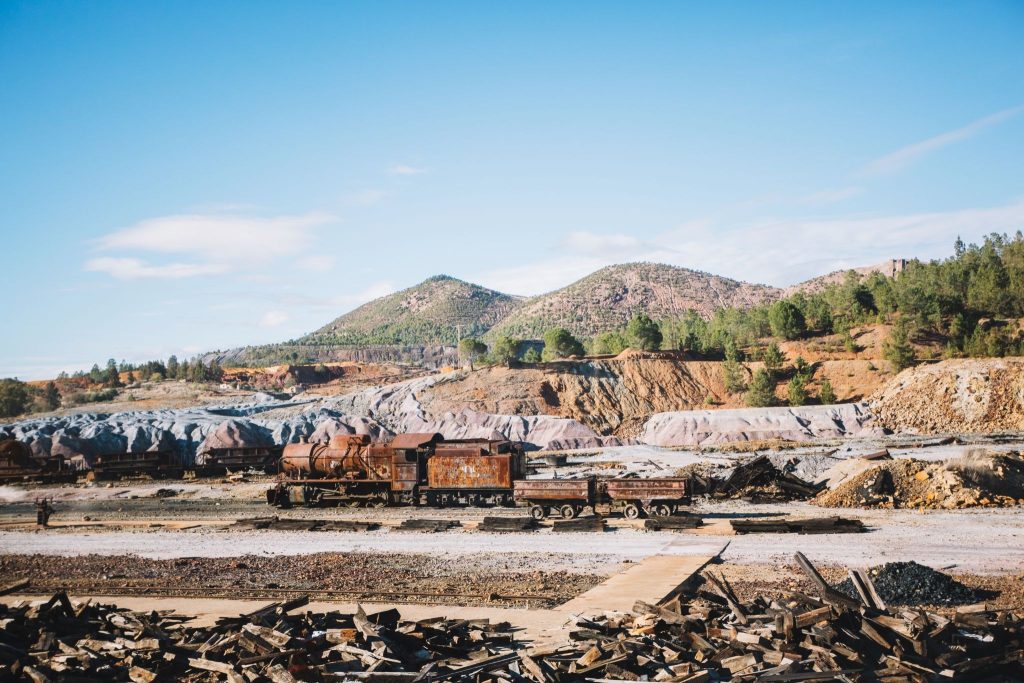
After waste leaves the job site, it enters the transportation phase. Licensed hauliers move materials to recycling centres, transfer stations, or landfills, depending on the type of waste.
Transportation planning matters more than many realise. Inefficient hauling schedules can delay work, increase costs, and overcrowd sites with full containers.
Partnering with reliable waste management providers ensures timely pickups and proper documentation.
Recycling Construction Materials Where Possible
Recycling is a critical step in the construction waste lifecycle. Many materials commonly discarded on job sites can be reused or processed into new products.
Frequently recycled construction materials include:
- Concrete crushed for aggregate
- Metal melted and reused
- Clean wood repurposed or mulched
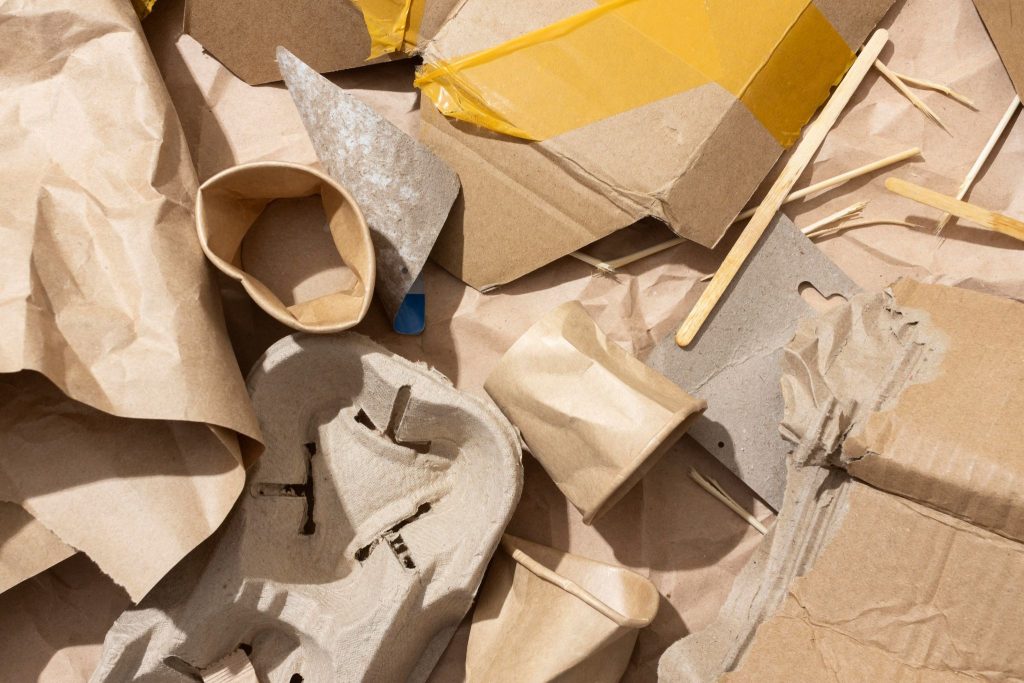
- Cardboard and packaging processed into new paper
Recycling reduces landfill use, conserves resources, and supports sustainable building practices.
Final Disposal and Landfill Management
Not all construction waste can be recycled. Certain contaminated or composite materials must be sent to approved landfills or disposal facilities.
Responsible disposal involves:
- Following local regulations
- Using licensed disposal sites
- Keeping accurate waste records
- Avoiding illegal dumping
Compliance protects contractors from fines and ensures environmental standards are met.
Best Practices for Construction Waste Management
Successful construction waste management begins with planning. Projects that address waste early tend to run more smoothly and cost less over time.
Best practices include:
- Creating a waste management plan before construction begins
- Training workers on proper sorting procedures
- Monitoring waste volumes throughout the project
- Adjusting disposal strategies as phases change
Even small improvements can lead to significant cost savings and environmental benefits.
The Role of Sustainability in Modern Construction
Sustainability is no longer optional in construction. Clients, regulators, and communities increasingly expect responsible waste practices.
Reducing waste, increasing recycling, and choosing efficient disposal methods all contribute to greener construction outcomes. These efforts also enhance a company’s reputation and competitiveness.
Frequently Asked Questions About Construction Waste
What types of waste are generated most on construction sites?
Concrete, wood, drywall, metals, packaging, and mixed debris are the most common.
Can all construction waste be recycled?
No. Some materials must be disposed of due to contamination or composition.
Why is on-site sorting important?
Sorting at the source prevents contamination and increases recycling success.
Who is responsible for construction waste disposal?
Responsibility typically falls on contractors, but requirements vary by project and jurisdiction.
Final Thoughts on the Construction Waste Lifecycle
Construction waste does not simply disappear once it leaves the site. Every piece follows a path shaped by planning, handling, and disposal decisions made throughout the project.
By understanding the full lifecycle of construction waste, builders and property owners can reduce costs, improve safety, and support sustainable practices. Responsible waste management is not just good for the environment. It is good business.