Key Takeaways
- Construction waste is regulated at both state and local levels in Australia
- Improper waste handling can lead to fines, delays, and legal exposure
- Professional waste management services help meet compliance obligations
- Documentation and tracking are essential for regulatory audits
- Proactive planning reduces risk across the entire project lifecycle

Construction projects in Australia operate under strict environmental and safety regulations. Waste management is a key compliance area that is often underestimated until a problem arises. From material handling to disposal records, how waste is managed on a construction site directly affects regulatory compliance.
Professional waste management services play a critical role in helping builders, contractors, and developers meet their legal responsibilities while keeping projects on schedule and within budget.
Understanding Construction Waste Regulations in Australia
Construction waste in Australia is regulated through a combination of federal guidance, state legislation, and local council requirements. While rules vary by location, the overall goal is consistent. Reduce landfill use, encourage recycling, and protect public health and the environment.
Regulations typically address:
- Proper separation of waste streams
- Use of licensed transport and disposal facilities
- Safe storage of hazardous materials
- Accurate tracking and reporting of waste movement
Failing to meet these requirements can result in penalties, stop-work orders, or project delays.
Why Compliance Is a Growing Concern for Construction Projects
Australia continues to tighten environmental oversight in response to landfill capacity limits and sustainability targets. Construction sites are closely monitored due to the volume and variety of waste they generate.
Common compliance risks include:
- Mixing recyclable and general waste
- Improper disposal of hazardous materials
- Incomplete or missing waste documentation
- Using unlicensed waste transporters
Even unintentional mistakes can lead to fines or investigations.
How Professional Waste Management Services Reduce Compliance Risk
Professional waste management providers understand local regulations and ensure waste is handled correctly from the moment it leaves the site.
Their role typically includes:
- Supplying appropriate bins and containers
- Advising on waste segregation requirements
- Coordinating licensed transport and disposal
- Providing documentation for audits and reporting
By outsourcing waste management to experienced providers, construction teams reduce the chance of non-compliance caused by oversight or lack of knowledge.
On-Site Waste Segregation and Regulatory Alignment
Sorting waste on site is often a regulatory requirement rather than a best practice. Professional services help design site layouts that make segregation practical and enforceable.
Commonly segregated materials include:
- Concrete and masonry
- Timber and wood products
- Metals
- Cardboard and packaging
- General and contaminated waste
Clear signage and routine collection help prevent cross-contamination that can invalidate recycling efforts.
Hazardous Waste Handling and Legal Obligations
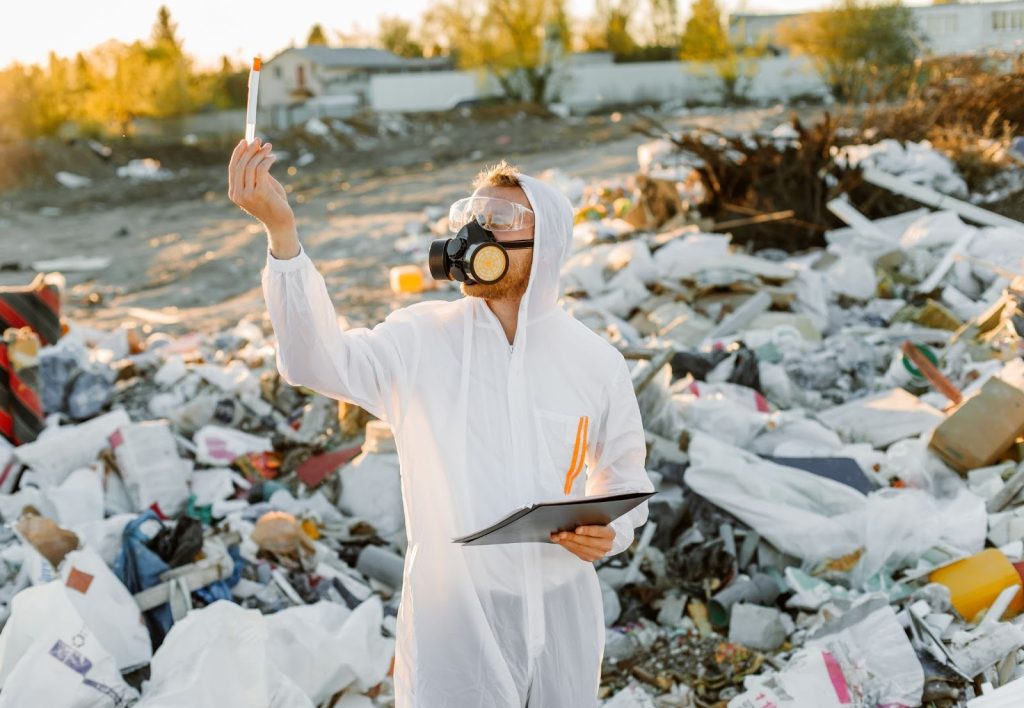
Certain construction materials are classified as hazardous and require special handling. These may include asbestos, treated timber, chemicals, or contaminated soil.
Australian regulations require:
- Secure storage
- Licensed removal
- Approved disposal facilities
- Detailed records of handling and transport
Professional waste management services ensure these materials are managed in accordance with safety and environmental standards, reducing legal exposure for contractors.
Documentation and Record Keeping for Compliance
One of the most overlooked aspects of waste compliance is documentation. Regulatory inspections often focus on records rather than physical waste alone.
Waste management services typically provide:
- Waste transfer dockets
- Recycling reports
- Disposal certificates
- Compliance summaries
These records demonstrate due diligence and are essential during audits or council inspections.
Avoiding Fines and Project Delays
Non-compliance can lead to immediate consequences. These may include infringement notices, fines, or directives to halt work until issues are resolved.
Professional waste services help prevent these outcomes by:
- Ensuring correct waste streams are used
- Scheduling timely collections to avoid overflow
- Maintaining compliance documentation
- Advising on changes to local requirements
This proactive approach protects both timelines and budgets.
Supporting Sustainability and Corporate Responsibility
Beyond compliance, responsible waste management supports sustainability goals increasingly expected in Australian construction. Clients, investors, and councils often assess projects based on environmental performance.
Using professional services helps:
- Increase recycling rates
- Reduce landfill reliance
- Support green building standards
- Enhance reputation and tender competitiveness
Compliance and sustainability often go hand in hand.
Frequently Asked Questions About Construction Waste Compliance
Who is responsible for waste compliance on a construction site?
Responsibility usually rests with the principal contractor, though obligations can extend to subcontractors and site managers.
Are waste management plans required in Australia?
Many councils and projects require site waste management plans, especially for larger developments.
What happens if waste is disposed of incorrectly?
Improper disposal can result in fines, corrective notices, or project delays.
Do recycling rates affect compliance?
Yes. Some jurisdictions require minimum diversion rates from landfills.
Final Thoughts on Staying Compliant With Construction Waste Regulations
Construction waste compliance in Australia is complex and constantly evolving. Relying on professional waste management services helps construction teams navigate regulations with confidence while avoiding unnecessary risk.
By integrating compliant waste practices into daily operations, projects remain legally sound, environmentally responsible, and operationally efficient.