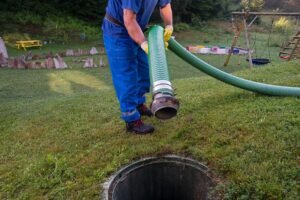
If your drains are slowing down, strange smells are appearing, or your yard looks different than usual, these are not small issues, they are early warning signs your septic system may be failing.
Septic problems rarely happen suddenly. In most cases, your system gives clear signals before a major breakdown. The problem is that these signs are often ignored until repairs become urgent and expensive.
In this guide, you’ll learn:
- The most common septic tank warning signs
- What each sign actually means
- When you should schedule professional septic tank cleaning.
- How to prevent serious system failure
If you’re already noticing one or more of these signs, it’s best to act early before the issue escalates.
What Septic Tank Warning Signs Really Mean
Septic systems follow a predictable failure pattern.
- Waste builds up
- The system becomes overloaded
- Pressure increases
- Problems start affecting your home and property
Early signs usually mean maintenance is overdue.
Advanced signs often indicate system failure or blockage.
Understanding the difference helps you decide how urgent your situation is.
1. Slow Drains Across Multiple Fixtures
If your sinks, showers, and toilets are all draining slowly, this is one of the earliest signs of septic trouble.
Unlike a simple pipe blockage, this affects your entire system, not just one drain.
What it usually means:
- Your septic tank is full
- Waste is not breaking down properly
If ignored, this can quickly lead to backups inside your home.
2. Persistent Sewage Odours
A strong, unpleasant smell coming from your drains, yard, or near your tank is a clear warning sign.
Common causes include:
- Full or overloaded tank
- Poor waste breakdown
- Gas escaping from the system
This is not normal and usually means cleaning is required soon.
3. Sewage Backup Inside
If wastewater starts coming back up through sinks, toilets, or drains, this is a serious issue.
This indicates:
- A full tank
- A major blockage
- System failure
Immediate professional help is required to prevent health risks and property damage.
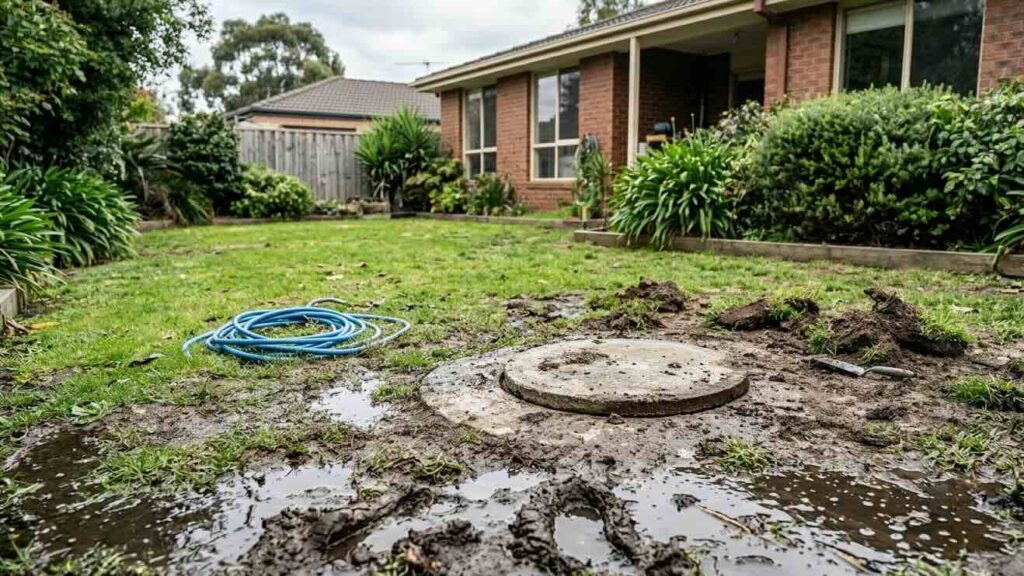
4. Pooling Water Around the Tank or Drain Field
Standing water in your yard, especially near the septic area, is a strong sign your system is overwhelmed.
Why this happens:
- The soil cannot absorb wastewater
- The tank is overflowing
This is one of the clearest signs your system is failing.
5. Unusually Green or Fast-Growing Grass
If the grass above your septic system looks noticeably greener or grows faster than the rest of your yard, it may be absorbing leaking waste.
This often goes unnoticed but it’s a common early warning sign of leakage.
6. Gurgling Sounds in Pipes
Hearing bubbling or gurgling noises when using sinks or toilets usually means air is trapped in your plumbing system.
This is often caused by:
- Blockages
- Pressure build-up
It’s an early-stage warning that your septic system is under stress.
7. Frequent Toilet Backups
If your toilet regularly backs up, it’s likely more than just a minor plumbing issue.
Especially if:
- Multiple fixtures are affected
- The problem keeps returning
This usually points to deeper septic system problems.
8. Wastewater Returning After Draining
If water drains slowly and then rises back up, your system may be overloaded.
This means:
- Waste is not flowing properly
- The tank may be full or blocked
9. Contaminated or Unsafe Water Supply
If your home relies on groundwater, a failing septic system can contaminate your water supply.
Potential risks include:
- Increased nitrate levels
- Harmful bacteria
This is a serious health concern and should be addressed immediately.
10. No Recent Septic Tank Cleaning
If you cannot remember the last time your septic tank was serviced, this alone is a major risk factor.
Most households require cleaning every 3 to 5 years.
Waiting longer significantly increases the risk of:
- System failure
- Expensive repairs
- Emergency callouts
Early Signs vs Emergency Signs
Early Warning Signs:
- Slow drains
- Gurgling pipes
- Mild odours
- Greener grass
Emergency Signs:
- Sewage backups
- Pooling water
- Strong persistent smells
- Contaminated water
If you’re seeing emergency signs, do not wait, take action immediately.
What Happens If Your Ignore These Signs
Ignoring septic issues can lead to serious consequences:
- Complete system failure
- Expensive repairs or full replacement
- Health risks from sewage exposure
- Environmental contamination
In many cases, problems that could have been resolved with simple maintenance turn into major, costly emergencies.
When Should You Call a Professional?
You should arrange an inspection if:
- You notice more than one warning sign
- Problems are getting worse over time
- You haven’t had recent maintenance
From real-world experience, most emergency callouts happen after early warning signs are ignored.
Booking early is always cheaper, safer, and less disruptive.
How to Prevent Septic Tank Problems
Preventing issues is much easier than fixing them.
Follow these simple steps:
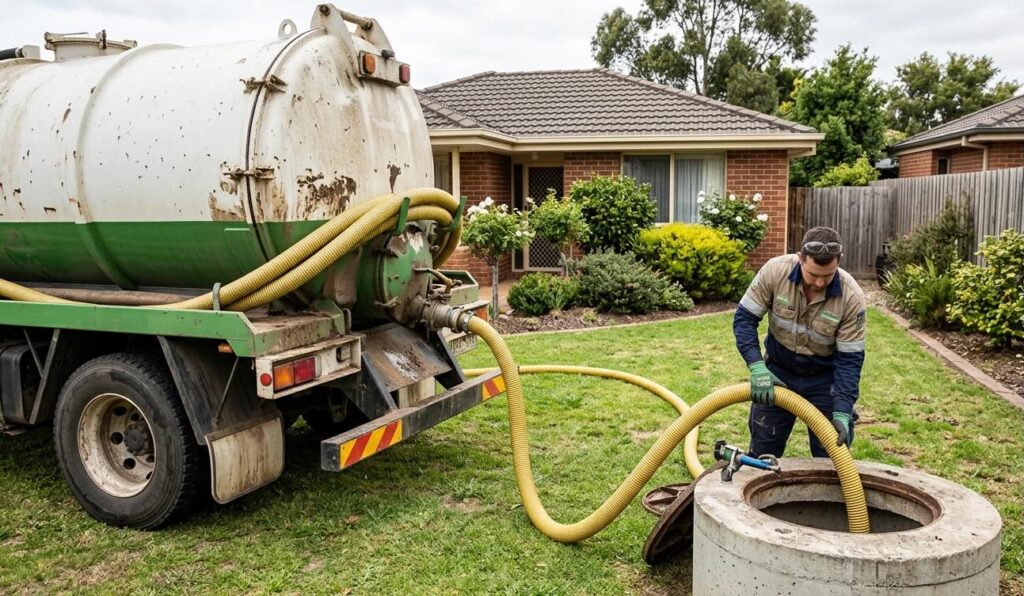
- Schedule regular septic tank cleaning (every 3–5 years)
- Avoid flushing non-biodegradable items
- Reduce excessive water usage
- Keep heavy vehicles away from your tank area
Consistent maintenance can extend the life of your system and prevent unexpected breakdowns.
Frequently Asked Questions
What are the most common septic tank warning signs?
The most common signs include slow drains, bad odours, pooling water, and sewage backups. These usually indicate your system is full or failing.
How often should septic tank cleaning be done?
Most homes require cleaning every 3 to 5 years, depending on usage and household size.
Can septic problems be fixed without cleaning?
Some minor issues may resolve temporarily, but most require professional cleaning or inspection to fix the root cause.
Is sewage smell always a serious issue?
Yes. Persistent odours are one of the clearest warning signs and should be addressed immediately.
What happens if I ignore septic tank problems?
Ignoring issues can lead to system failure, costly repairs, and health risks, often far more expensive than routine maintenance.
Final Thoughts
Your septic system will almost always warn you before it fails, the key is recognising the signs early and acting quickly.
By understanding these warning signs and keeping up with regular maintenance, you can avoid major disruptions, protect your home, and save thousands in repair costs.
If you’re noticing any of these issues, now is the time to act. Book a professional inspection before the problem gets worse.